
Weed & Pest Control in Clermont, FL
Pre-emergent weed control went in last September. Your Clermont lawn still has crabgrass in May. The timing was off — and without the right mowing height and fertilization schedule to back it up, it doesn't matter what you spray. Blue Daisy's weed and pest control program works because it's part of an integrated monthly plan, not a one-off spray.
Weed & Pest Protection for Central Florida Turf
Pre-Emergent Weed Control
Applied at the right time in Central Florida's calendar to prevent crabgrass (Digitaria spp.) and dollarweed (Hydrocotyle umbellata) from germinating. Timing is everything — pre-emergent applied late is pre-emergent wasted. Our applications are scheduled to the Clermont area's actual soil temperatures and rain patterns, not a generic national calendar.
Post-Emergent Weed Control
Targeted treatment of actively growing weeds — crabgrass, spurge, chamberbitter, nutsedge — using products appropriate for your grass type. Broad-spectrum herbicides that damage St. Augustine or ProVista are never used carelessly; we select products specific to the weed and safe for your turf.
Chinch Bug Management
The chinch bug is the most destructive turf pest in Florida St. Augustine lawns — and it thrives in hot, dry conditions in sunny areas. Damage looks like drought stress: irregular yellowing patches that expand rapidly. We monitor and treat at the correct intervention point before damage becomes expensive to reverse.
General Turf Pest Treatment
Sod webworm, mole crickets, and other soil-dwelling pests that damage Central Florida turf from below — treated as part of your ongoing plan when activity is identified. We flag pest pressure during monthly visits before populations reach damaging levels.
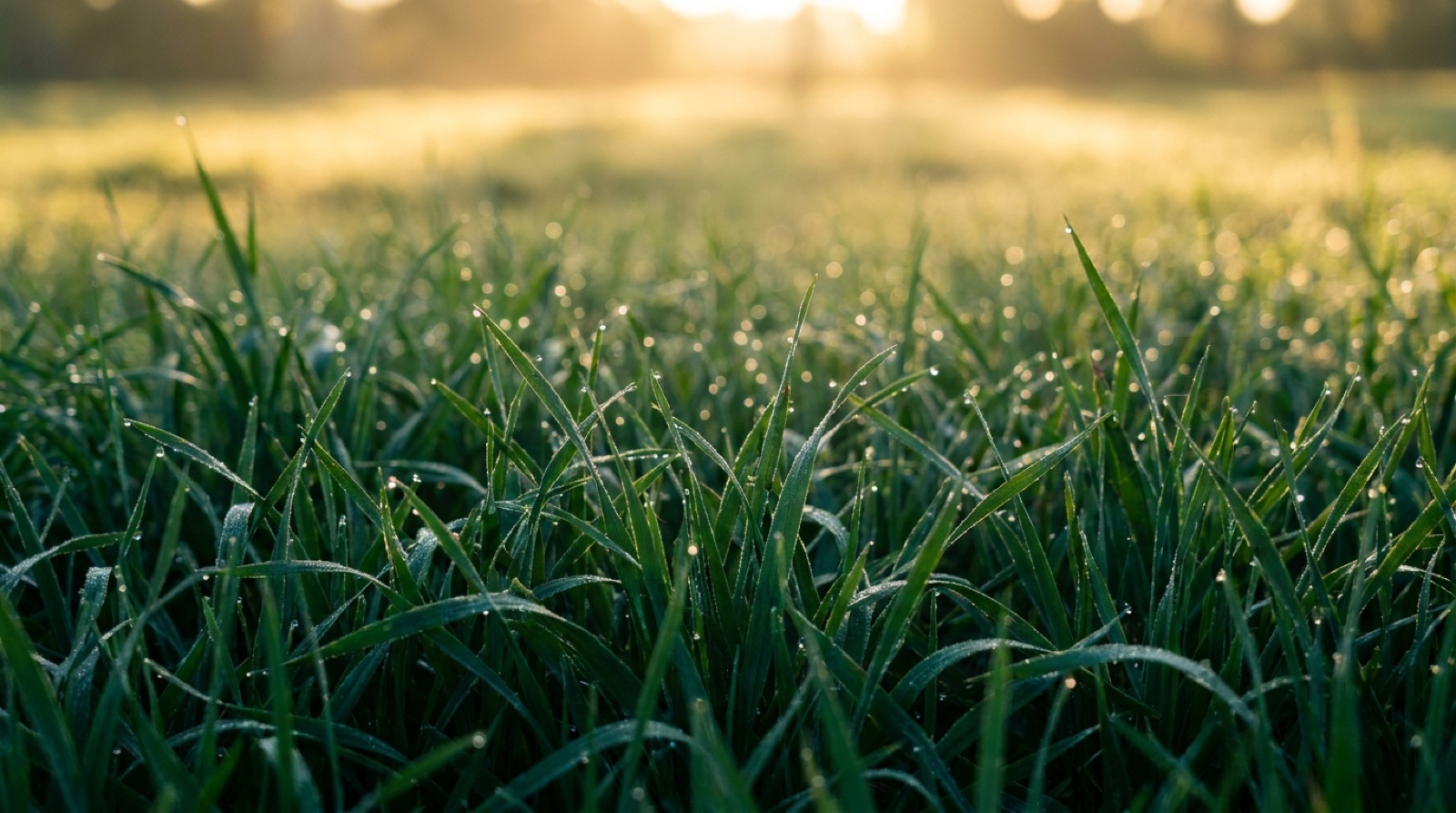
Weed Control Without the Right Mowing Height Is Money Wasted
Florida lawns need 4–6 fertilization applications per year on a schedule tied to the turf type and season. Skip two of those and your grass thins. Thin grass = open soil = weed establishment. No herbicide program can compensate for chronically underfed, incorrectly mowed turf.
- St. Augustine mowed below 3.5 inches scalps the stolons, weakens roots, and opens the canopy to weed germination
- Dense, healthy turf is the most effective weed suppressant — it physically outcompetes weed seedlings
- Crabgrass and dollarweed seeds can arrive on dirty mowing equipment — another reason clean equipment matters
- Over-watering creates standing moisture that drives weed seed germination and fungal disease simultaneously
- Pre-emergent timing depends on local soil temperature — a generic spray schedule rarely aligns with actual Clermont conditions
Where Your Weeds Actually Come From
UF/IFAS Weed Management Guide (EDIS EP141) is explicit: "Mowers and trimmers used in weed-infested areas should be washed off before mowing or trimming in weed-free areas." Crabgrass seeds stick to mower blades and germinate wherever the equipment next travels. Dollarweed fragments root on contact. A cheap crew running 12 lawns a day on the same uncleaned equipment is not just cutting your grass — they're seeding it with whatever they picked up earlier in the day. Blue Daisy sanitizes equipment before every job, every time.
Common Weeds & Pests in Central Florida Lawns
Crabgrass
Germinates in spring when soil hits 55°F. Spreads aggressively via seed and on mowing equipment. Pre-emergent in late winter is the only effective control — post-emergent on established crabgrass is difficult and often damages surrounding turf.
Dollarweed
Thrives in wet, over-watered lawns. A sign of irrigation problems as much as a weed problem. Round, lily-pad-like leaves. Post-emergent control works, but correcting irrigation schedule prevents re-invasion.
Chinch Bugs
The top turf pest for St. Augustine in Florida. Damage appears as yellowing patches in full-sun areas that expand rapidly in summer heat. Often mistaken for drought stress. Early identification and treatment prevents large-scale turf loss.
The Full Program
Monthly Lawn Maintenance
Weed and pest control is built into the monthly plan — not a separate invoice. One plan, everything your turf needs.
See the planFertilization Guide for Florida Lawns
When to fertilize St. Augustine, Zoysia, and Bahia in Central Florida — and why skipping applications leads directly to weed invasion.
Read the guideCorrect Mowing Heights for Florida Grass
Mowing too low is one of the biggest drivers of weed invasion in Central Florida lawns. Learn the right heights for each grass type.
Read the guideFrequently Asked Questions
Yes. Pre-emergent and post-emergent weed control applications are included in the monthly lawn care plan — scheduled around Florida's actual growing season rather than a generic national calendar. You won't receive separate invoices for standard weed treatments. If your lawn has a severe existing infestation that requires intensive remediation beyond the standard program, we'll tell you upfront what that involves.
Both cause yellowing, but the patterns differ. Drought stress yellows evenly across the lawn, especially in shaded or low-traffic areas. Chinch bug damage appears as irregular, expanding yellow-to-brown patches specifically in hot, full-sun areas — often along sidewalks or driveways where heat radiates. The most definitive test is the flotation test: remove both ends of a coffee can, push it into the soil at the edge of the damaged area, fill with water, and watch for tiny red-and-black bugs floating to the surface. If you're seeing yellowing and aren't sure, call us — we'll identify it on our next visit.
Three common reasons: (1) the timing was off — pre-emergent must go down before soil temperatures reach germination threshold, not after; (2) the application rate was too low; (3) weeds arrived after application via contaminated mowing equipment or wind. Pre-emergent prevents germination of seeds already in the soil — it doesn't prevent new seeds from landing and germinating after application. A consistent program, combined with healthy dense turf that physically outcompetes weeds, is the only sustainable approach.
Chinch bugs are the primary concern for St. Augustine lawns — they cause more turf loss in Central Florida than any other pest. Sod webworm damage shows up as irregular brown patches and is most active in fall. Mole crickets cause visible tunneling and root damage in sandy soils and are more common in Bahia and Bermuda lawns. We monitor for all three during regular monthly visits and treat at the correct intervention point.
Stop Treating Symptoms. Fix the Whole Program.
If your Clermont lawn has persistent weeds or pest damage, a spot spray won't solve it. Get a free assessment — we'll look at your full lawn picture: mowing height, fertilization, irrigation, and current weed/pest pressure. Then we'll tell you straight what it needs. Hablamos español · Falamos português.